The global demand for cleaning and household care products continues to grow, creating new opportunities for distributors, wholesalers, retailers, and entrepreneurs. Instead of building a manufacturing facility from the ground up, many businesses are choosing Private Label Detergent manufacturing to launch their own product lines quickly and cost-effectively.
This business model allows companies to focus on branding, marketing, and sales while production is handled by an experienced manufacturer. Whether you’re introducing a new detergent brand or expanding your existing portfolio, private label manufacturing offers flexibility, lower investment, and faster market entry.
In this guide, we’ll explain how private label detergent manufacturing works, its benefits, and what to consider when selecting the right production partner.
What Is Private Label Detergent Manufacturing?
Private Label Detergent manufacturing is a business model in which a manufacturer produces detergent products that are sold under another company’s brand name.
Instead of investing in factories, machinery, research, and production teams, businesses partner with an experienced manufacturer who already has the expertise and production capacity.
The manufacturer takes care of production, while the customer focuses on:
- Brand development
- Marketing
- Distribution
- Sales
- Customer relationships
This model enables businesses to introduce professional-quality cleaning products with significantly lower financial risk.
Why More Businesses Are Choosing Private Label Detergents
Launching a new product line traditionally requires substantial capital investment. However, private label manufacturing has transformed the industry by making product development more accessible.
Working with an experienced OEM Detergent Manufacturer offers several advantages:
Faster Time to Market
Since production facilities and formulations are already established, products can reach the market much faster than building a manufacturing operation from scratch.
Lower Initial Investment
Private label manufacturing eliminates the need to purchase expensive production equipment or hire specialized manufacturing teams.
Professional Product Quality
Experienced manufacturers maintain consistent production standards, allowing businesses to offer high-quality detergent products that meet customer expectations.
Flexible Production Volumes
Whether you’re launching a new brand or expanding an existing one, production volumes can often be adjusted according to market demand.
Focus on Business Growth
Instead of managing manufacturing processes, companies can dedicate more resources to branding, marketing, customer acquisition, and expanding distribution networks.
Private Label vs. OEM Manufacturing
Although the terms are often used interchangeably, there are important differences between private label and OEM manufacturing.
| Private Label | OEM Manufacturing |
|---|---|
| Products sold under your own brand | Products manufactured according to your custom requirements |
| Standard formulations | Customized formulations may be available |
| Faster product launch | Greater product customization |
| Lower development costs | More flexibility for unique products |
Many manufacturers provide both services, allowing businesses to choose the approach that best matches their commercial objectives.
Products Suitable for Private Label
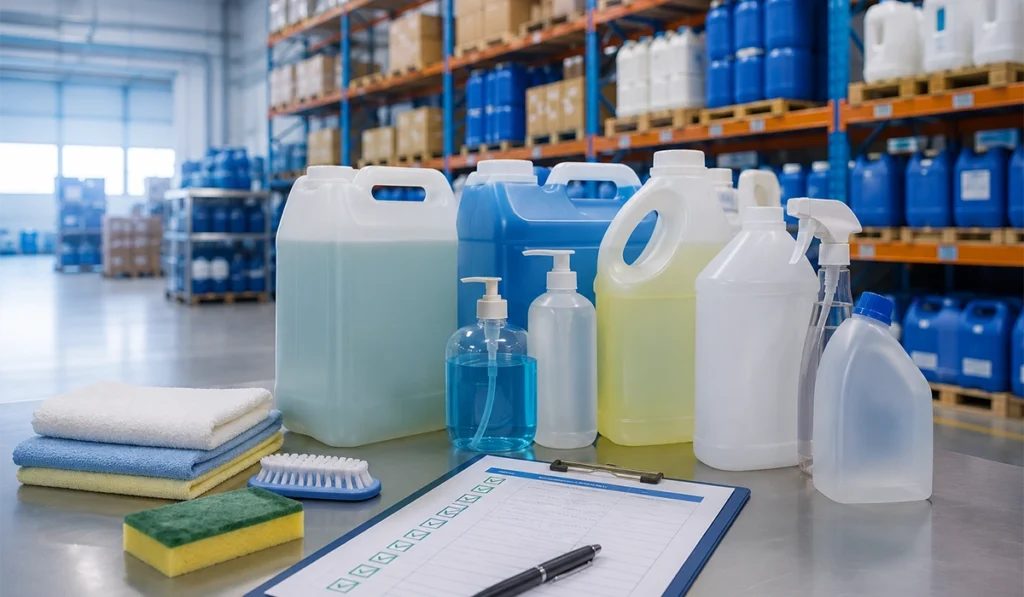
Private label manufacturing is available for a wide variety of cleaning and personal care products.
Popular options include:
- Laundry Liquid Detergent
- Laundry Powder
- Dishwashing Liquid
- Hand Wash
- Cream Hand Wash
- Multi-Purpose Cleaners
- Floor Cleaners
- Glass Cleaners
- Shampoo
- Fabric Softener
Offering multiple products under the same brand helps businesses build stronger brand recognition and increase customer loyalty.
The Importance of Custom Detergent Packaging
Product quality is only one part of a successful brand. Packaging is often the first thing customers notice, making it a key factor in purchasing decisions.
Professional Custom Detergent Packaging helps brands:
- Build trust
- Improve shelf visibility
- Strengthen brand recognition
- Differentiate from competitors
- Appeal to specific target markets
Customization options may include:
- Bottle design
- Label design
- Color selection
- Packaging sizes
- Carton printing
- Multilingual labels
- Export-ready packaging
A well-designed package enhances the perceived value of the product while supporting long-term brand growth.
How to Choose the Right Manufacturing Partner
Selecting the right production partner is one of the most important decisions for any private label business.
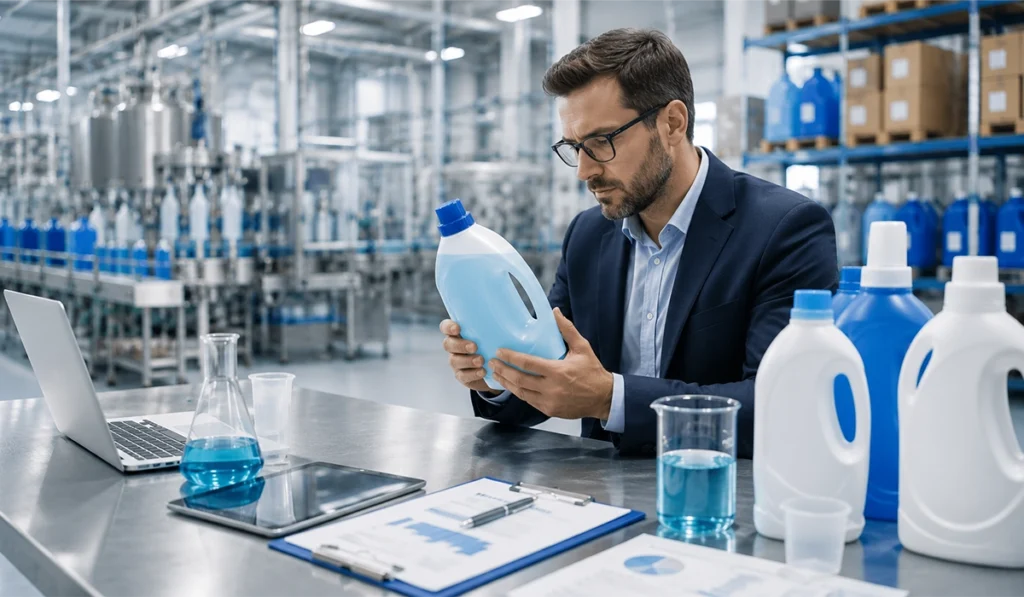
Before signing a long-term agreement, evaluate the manufacturer based on several key factors.
Product Quality
Request samples and verify that products meet your quality expectations.
Production Capacity
Ensure the manufacturer can support future business growth and increasing order volumes.
Packaging Flexibility
A strong manufacturing partner should offer multiple packaging formats and branding options.
Quality Control
Ask about testing procedures, production consistency, and inspection standards.
Communication
Choose a manufacturer that responds quickly and provides transparent information throughout the production process.
Export Experience
For international businesses, experience with export documentation and shipping procedures is essential.
Common Mistakes to Avoid
Many businesses make avoidable mistakes during their first private label project.
Some of the most common include:
- Choosing suppliers based only on price
- Ignoring packaging quality
- Ordering large quantities before testing the market
- Failing to define brand positioning
- Not reviewing product specifications carefully
- Working with manufacturers that lack production capacity
Avoiding these mistakes helps businesses reduce risks and build stronger long-term partnerships.
Conclusion
Private label manufacturing offers an efficient way to enter the cleaning products market without the complexity and investment of operating a manufacturing facility. By partnering with an experienced manufacturer, businesses can focus on building a strong brand while benefiting from reliable production, professional packaging, and consistent product quality.
Choosing the right partner is about more than cost—it requires evaluating quality standards, production capacity, customization options, and long-term reliability. A dependable manufacturer can become a strategic partner that supports your business as it grows into new markets and expands its product portfolio.
Frequently Asked Questions (FAQ)
What is a private label detergent?
A Private Label Detergent is a cleaning product manufactured by one company and sold under another company’s brand name.
What is the difference between private label and OEM?
Private label generally uses standard product formulations with custom branding, while OEM manufacturing may include customized formulations, packaging, and product specifications.
Can I customize detergent packaging?
Yes. Many manufacturers offer Custom Detergent Packaging, including bottle designs, labels, packaging sizes, and multilingual branding options.
Who should choose private label manufacturing?
Private label manufacturing is ideal for wholesalers, distributors, retailers, importers, supermarkets, and entrepreneurs looking to launch their own detergent brand.
What products can be manufactured under a private label?
Popular options include laundry detergents, dishwashing liquids, hand wash, laundry powder, shampoo, fabric softeners, and other household cleaning products.
Looking for a trusted partner to develop your private label cleaning products?
Hoorang provides flexible manufacturing solutions, customized packaging, and reliable wholesale supply to help businesses build successful detergent brands for local and international markets.
👉 Request a Quote today and discover how we can support your next private label project.